Finding the Right St. Louis Architecture Firm for Innovative Design Solutions
Finding the Right St. Louis Architecture Firm for Innovative Design Solutions
Blog Article
Top Architecture Firm: Designing Cutting-edge Spaces for Modern Living
Leading design companies are transforming the idea of contemporary life through cutting-edge creations. They concentrate on blending functionality with environmental responsibility, addressing urban challenges and evolving lifestyles. These companies employ smart technologies and sustainable materials to develop flexible spaces. As they emphasize community interaction and resilience, the impact of their work extends past aesthetics. What are the specific patterns and practices that define their methodology? The answers may astonish many.
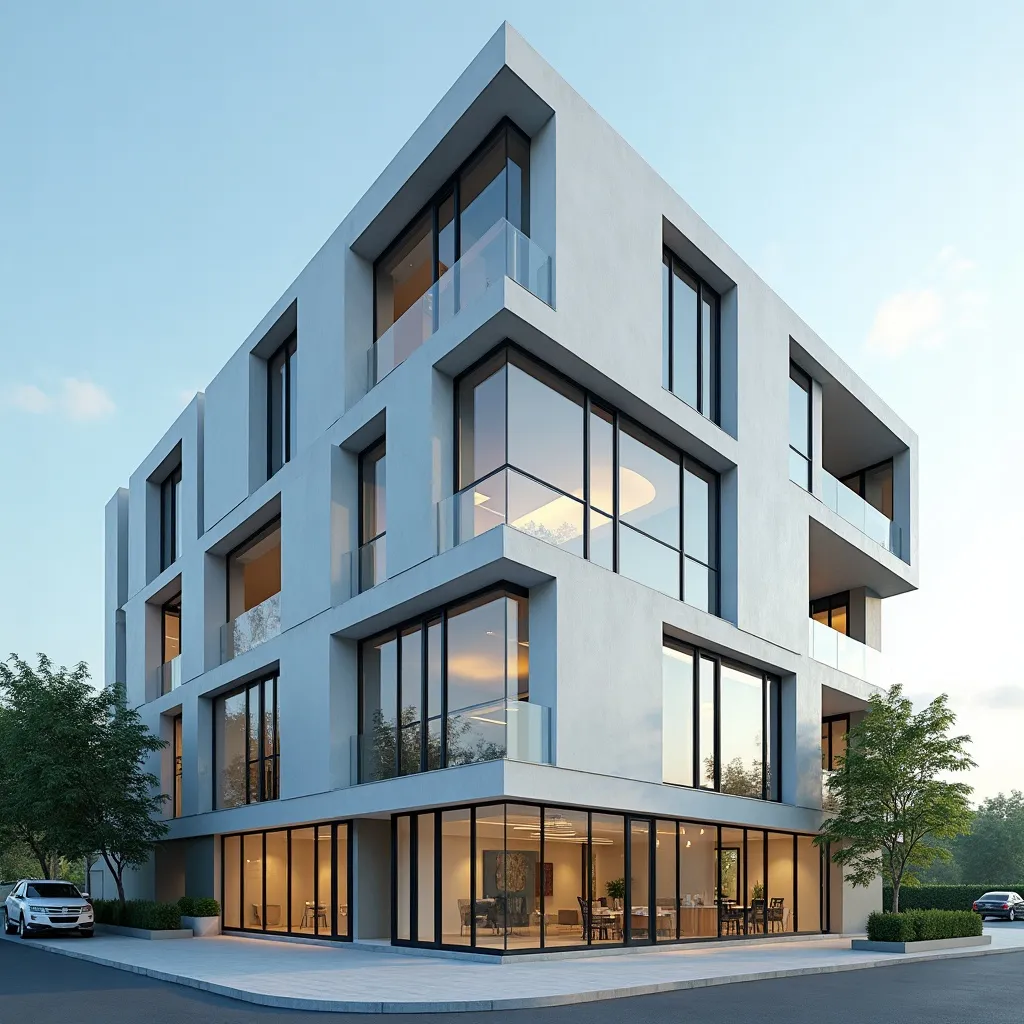
The Function of Architecture Firms in Contemporary Life
With urbanization rapidly progressing, architecture firms function as a key force in creating modern living environments. These firms are not simply architects; they are innovators who merge functionality, sustainability, and aesthetics into their projects. By partnering with urban planners and communities, they create spaces that capture contemporary lifestyles while satisfying the needs of diverse populations.
Architectural practices use advanced materials and technological innovations to enhance energy efficiency and reduce environmental impact, aligning with global sustainability goals. They focus on user experience, creating spaces that foster social interaction and health.
Furthermore, these entities are skilled at working through regulatory frameworks, making sure designs meet local codes while stretching creative boundaries. Their effects exceed individual buildings, reshaping cityscapes and increasing overall quality of life. Through intentional design, architecture firms not only handle current demands but also anticipate future trends, making them key players in the evolution of urban living.
Key Obstacles in Modern Architectural Design
Contemporary architectural design faces substantial obstacles, primarily in sustainability and environmental impact. The integration of cutting-edge technology additionally complicates the design process, demanding flexibility to quickly evolving materials and methods. Tackling these issues is crucial for developing environments that satisfy modern requirements while remaining ecologically conscious.
Sustainable Practices and Environmental Impact
Sustainability and environmental impact have emerged as critical issues in contemporary architectural practice, driven by the urgent need to tackle climate change and resource depletion. Architects face the obligation to minimize carbon footprints while maximizing energy efficiency in their projects. This involves utilizing sustainable materials, optimizing water usage, and integrating green spaces within urban environments. The challenge lies in reconciling aesthetic aspirations with ecological responsibility, often requiring innovative solutions that rethink traditional building practices. Additionally, regulatory frameworks and client expectations can complicate the pursuit of sustainable design. As architects aim for harmony between human habitation and natural ecosystems, the integration of sustainable practices becomes essential for creating resilient, adaptable spaces that meet the needs of future generations.
Technological Synthesis and Adaptability
While the rapid advancement of technology offers promising opportunities for architectural design, it also presents considerable obstacles in maintaining flexibility within built environments. Architects must manage the intricacies of incorporating smart technologies, such as IoT systems and sustainable technologies, while ensuring structures remain adaptable to future changes. This requires a carefully considered strategy to design that harmonizes aesthetics with functional longevity. Additionally, the rapid speed of technological innovation can lead to obsolescence, encouraging architects to consider interchangeable elements that can be easily updated or replaced. Collaboration with engineers and technology experts becomes essential to create spaces that not only meet current needs but also anticipate future demands. Ultimately, the ability to adapt is essential for innovative and sustainable architectural solutions.
Top Architecture Firms and Their Creative Design Trends
As architectural firms keep advancing, leading firms are transforming the parameters of design with cutting-edge approaches that blend beauty and practicality. One prominent development observed among leading architecture firms is the focus on spacious layouts, encouraging flexibility and connectivity in modern living spaces. Additionally, the incorporation of biophilic design elements, which incorporate plants and organic elements, enhances the overall well-being of occupants.
A major development involves the implementation of modular building methods, enabling quick assembly and flexibility across various environments. Designers are increasingly prioritizing user-centric designs, tailoring spaces to meet the specific needs of people and groups.
Moreover, the incorporation of smart technology is reshaping traditional architectural practices, enabling better user interaction and energy efficiency. Through these forward-thinking architectural innovations, top architecture firms are establishing the future of living spaces, forming environments that are not only visually appealing but also highly functional.
Progressive Responsible Practices in Architecture
Within the sector of building design, innovative sustainable methods are becoming increasingly vital. Architects are now focusing on green building materials, adopting energy-efficient design strategies, and implementing waste reduction techniques. These strategies not only improve the environmental performance of buildings but also encourage long-term sustainability in the industry.
Eco-Friendly Construction Materials
A growing number of architects are accepting green building materials as essential components of sustainable design. These materials, frequently harvested from environmentally friendly resources, limit environmental impact while increasing aesthetic appeal. Innovations including bamboo, reclaimed wood, and recycled metals are increasingly selected for their durability and low carbon footprint. Additionally, manufacturers are developing eco-friendly substitutes for traditional materials, such as low-VOC paints and non-toxic insulation options. Using these materials supports environmental care and also supports healthier living spaces by reducing harmful emissions. Architects are more frequently acknowledging that the deliberate choice of green building materials leads to a more responsible construction method, ultimately supporting both occupants and the planet.
Energy-Saving Design Methods
The option of green construction products enables adopting energy-efficient design approaches in architectural practice. Architects are progressively incorporating passive solar design, which maximizes natural light and minimizes energy use. Orientation of structures is carefully considered to improve solar exposure while reducing thermal loss. Furthermore, high-performance insulation and energy-efficient windows are employed to enhance temperature comfort and reduce dependence on heating and cooling systems. Incorporating clean energy sources, such as solar panels, additionally promotes environmental objectives. Furthermore, intelligent building systems enable real-time energy monitoring, ensuring optimal resource use. These strategies together result in reduced energy consumption and a reduced carbon footprint, demonstrating a commitment to eco-conscious living in contemporary architecture.
Waste Decrease Approaches
Implementing waste minimization techniques is vital for promoting sustainability in architecture. Leading firms are progressively adopting practices that minimize material waste throughout the design and construction phases. Techniques such as modular design allow for prefabrication, cutting down on excess materials and speeding up construction timelines. In addition, architects are prioritizing the use of repurposed or reclaimed materials, thereby decreasing the demand for new resources. Waste audits during construction help spot areas for improvement, allowing firms to track and reduce their waste output effectively. Moreover, integrating design for disassembly principles guarantees that buildings can be easily repurposed or recycled at the end of their lifecycle. These cutting-edge approaches not only contribute to environmental sustainability but also improve the overall efficiency of architectural projects.
Reimagining Architecture By Technological Advancement
Technology is transforming architecture by introducing cutting-edge instruments and approaches that redefine design outcomes and processes. Advanced software allow architects to see ideas in three dimensions, facilitating better communication with clients and stakeholders. Building Information Modeling (BIM) improves teamwork, enabling various disciplines to coordinate seamlessly throughout a project's lifecycle.
In addition, innovative technologies including virtual and augmented reality deliver immersive experiences, allowing clients to experience designs before construction begins. Automation in construction techniques boosts efficiency, minimizing time and costs while enhancing precision.
Sustainable technologies such as energy-efficient materials and smart home systems blend effortlessly into modern designs, promoting eco-conscious approaches. As design professionals increasingly adopt these cutting-edge innovations, the sector undergoes a fundamental transformation, fostering innovative solutions that address modern issues. In the end, these advancements not only improves aesthetic possibilities but also revolutionizes how spaces are conceptualized, constructed, and utilized.
Effect of Aesthetic Trends on Everyday Existence
As innovation reshapes architectural practices, design trends increasingly shape daily living experiences. Contemporary approaches prioritize open floor plans and multifunctional spaces, promoting versatility and adaptability in urban environments. This change allows residents to maximize their living areas, fostering a feeling of togetherness and interaction.
Green materials and energy-efficient designs are also becoming more prevalent, demonstrating a rising societal priority regarding environmental responsibility. These trends not only maximize aesthetic appeal but also strengthen healthier living conditions through optimized air discover details on quality and natural light exposure.
In addition, innovative home connectivity is transforming how users interact with their spaces, providing convenience and efficiency. By accommodating the evolving needs of today's way of living, structural design mirrors comprehensive cultural shifts and strengthens holistic health. Ultimately, the consequence of design trends on daily living is substantial, shaping how individuals connect with their habitats and others in purposeful ways.
Selecting the Perfect Architecture Firm for Your Needs
What approach should one take when selecting the right architecture firm? This decision encompasses several vital factors. First, potential clients must evaluate the firm's collection of work to guarantee its design style matches with their vision. Next, examining the firm's background in distinct kinds of projects, such as residential, commercial, or sustainable design, can supply insight into their proficiency.
Client reviews and testimonials deliver important insights on the firm's team-based method and dependability. Additionally, reviewing the firm's project oversight and interaction methods is essential; strong communication can significantly impact the project's success.
Price considerations are similarly essential; clients should address fee structures upfront to avert misunderstandings in the future. Additionally, personal rapport with the architects can foster effective collaboration throughout the design process. By carefully examining these factors, clients can make sound decisions, ultimately establishing a successful partnership that fulfills their architectural requirements.
Regularly Asked Inquiries
How Can Architecture Firms Achieve Customer Fulfillment During Projects?
Design practices guarantee client contentment by maintaining transparent communication, incorporating feedback, setting realistic timelines, providing regular updates, and delivering high-quality designs that match client visions, ultimately fostering trust and collaboration throughout the project lifecycle.
What Competencies Count When Hiring an Building Designer?
When appointing an architect, one should weigh their credentials, years of practice, portfolio, communication abilities, and skill in understanding client needs. Furthermore, familiarity with local compliance requirements and ecological design practices can enhance project performance and client approval.
How Much Do Building Design Services Generally Cost?
Architectural services commonly span $100 to $250 per hour, influenced by the firm's track record and scope of work. Fixed fees for targeted assignments may also be presented, often totaling 5% to 15% of project budgets.
Can I Work Together Closely With the Architect on My Assignment?
Yes, active collaboration with the architect is regularly feasible. Many firms encourage client involvement to confirm projects reflect personal visions, promoting communication and alignment throughout the design process for ideal results and pleasure.
What Constitutes the Usual Timeline for an Architectural Project?
The common duration for an building project changes, commonly extending from several months to a several years. Factors impacting this timeframe include project complexity, regulatory approvals, and client input, which all affect the overall timeline.
Report this page